
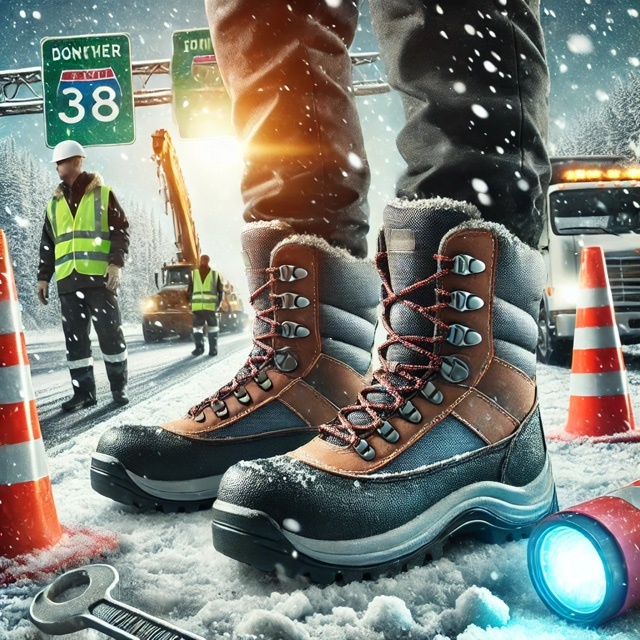
Do You Really Need Insulated Safety Shoes? Industry-by-Industry Guide - Insulated Work Boots: Essential or Optional? Let’s Break It Down by Industry
When winter arrives, many workers and employers ask the same question: Do we really need insulated safety shoes? The answer is not always black and white — because the necessity for insulated work boots depends heavily on your job, environment, and exposure level.
At Optimum BHP Safety Store, we specialize in industry-specific safety footwear and protective clothing, including winter-rated boots for the toughest conditions.
For full guidance, explore our Winter Safety Footwear FAQ, Safety Shoes FAQ, and our expert blog in English.
Top 10 Mistakes When Buying Insulated Work Boots – And How to Avoid Them
How to Choose Certified Hi-Vis Clothing for Winter Work – EN ISO 20471 Explained
The Benefits of Thermal Lined Workwear for Outdoor Jobs in Harsh Winter Conditions
The Importance of Waterproof and Windproof Workwear in Winter 2025
Why Winter Workwear Must Be Both Insulated and Breathable – Finding the Right Balance
What Is the Difference Between High-Visibility and Reflective Clothing?
⸻
Why Insulated Safety Shoes Are Crucial in Cold Environments
Insulated safety shoes combine thermal protection with certified impact resistance, waterproofing, and anti-slip properties. They’re not just a winter luxury — in many cases, they’re a legal or operational necessity.
Cold feet don’t just cause discomfort; they lead to:
• Reduced concentration and productivity
• Higher risk of frostbite or cold stress
• More frequent slips and falls
• Long-term joint damage and fatigue
Let’s explore which industries truly require winter-ready safety boots — and which can go without them.
⸻
🚧 Construction & Infrastructure
Verdict: Mandatory
Outdoor workers in construction, road repair, and infrastructure face constant exposure to snow, ice, mud, and steel equipment. Standard footwear simply isn’t enough.
Required features:
• EN ISO 20345 with CI (cold insulation)
• Waterproof or water-repellent materials
• High ankle support
• Steel or composite toe caps
• Deep tread SRC-certified outsoles
Top picks from Optimum BHP:
• PPO Strzelce Opolskie S3 winter boots
⸻
🏭 Manufacturing & Industrial Plants
Verdict: Recommended (depends on facility)
In unheated or semi-heated factories, winter brings concrete-cold floors and airflow exposure. Workers benefit from medium insulation and ergonomic outsoles to reduce standing fatigue.
Best for:
• Metalworking
• Packaging halls
• Equipment assembly near open bays
Ideal models:
• Base Protection lightweight thermal boots
⸻
🚛 Logistics, Warehouses & Transport
Verdict: Strongly Recommended
Although partially indoors, logistics work often involves exposure to loading docks, outdoor forklifts, and cold storage zones. Lightweight insulated work boots with breathable linings are optimal.
Key features to look for:
• Composite toes for comfort
• Anti-fatigue soles
• Thermal lining (Thinsulate™, fleece)
• Moisture-wicking interiors
Best-selling models:
• Base Protection Kaptiv® series
⸻
🌲 Agriculture, Forestry & Landscaping
Verdict: Mandatory
Wet soil, frozen mud, and field exposure demand full waterproofing, high shafts, and durable materials. Farmers and forestry workers require thermal safety boots that can withstand hours of exposure to moisture.
What matters most:
• PVC or rubberized coatings
• Internal removable liners
• Mud-resistant tread
• Tall shafts for debris protection
Top brands:
⸻
🧊 Cold Storage & Freezer Work
Verdict: Absolutely Essential
Temperatures inside cold storage can drop to -25°C or lower. Prolonged exposure without insulated safety footwear leads to immediate cold stress.
Required:
• EN ISO 20345 with CI rating
• Full thermal lining
• ESD-compliant soles (optional)
• Removable insoles to dry between shifts
Ideal choices:
• Base Protection Iceberg B1005
⸻
🚦 Public Services & Municipal Workers
Verdict: Mandatory
Snowplow crews, street cleaners, and city maintenance teams work outside regardless of weather. Their boots must combine insulation with visibility, comfort, and all-day wearability.
What to wear:
• High-shaft winter safety boots
• Reflective accents
• Waterproof and cold-proof materials
• Breathable inner lining for shift work
Recommended from Optimum BHP:
• Portwest S3 reflective winter footwear
⸻
⚡ Electricians & Technical Service
Verdict: Varies – use with caution
Electricians must meet ESD and dielectric standards, which can sometimes conflict with thick insulation. Choose certified insulated safety shoes that offer both warmth and safe resistance properties.
Key requirements:
• Composite (non-metal) toe
• ESD or antistatic certification
• Moderate thermal lining
• Lightweight and flexible for precision work
How Cold Stress Impacts Worker Performance and Safety
Prolonged exposure to cold isn’t just uncomfortable — it affects how your body and mind function. When feet become cold, blood circulation slows, nerve responsiveness decreases, and workers are more likely to make mistakes or suffer from slow reflexes. Investing in proper insulated safety footwearhelps prevent cognitive and physical slowdowns, reducing accident rates on site. This is especially important in fast-paced or high-risk industries like construction, utilities, and emergency services.
⸻
Insulated Safety Shoes as a Tool for Retention and Morale
Warm, well-equipped employees are more satisfied and productive — especially during the harsh winter months. Supplying high-quality thermal work boots shows workers that their comfort and safety are a priority, which improves morale and retention.
It also boosts your brand image, especially if you’re outfitting crews in visible winter PPE — from insulated jackets to footwear and gloves.
⸻
The Financial Cost of Choosing the Wrong Footwear
While skipping insulated work boots may seem like a cost-saving tactic, the long-term risks far outweigh the short-term savings. Poor footwear leads to more sick days, lower productivity, increased accident claims, and faster wear-and-tear.
By contrast, premium insulated safety shoes often last 2–3 seasons and help reduce total PPE spending when used properly and rotated with seasonal options.
⸻
Do Office or Administrative Outdoor Staff Need Insulated Footwear?
Even if your team isn’t doing physical labor, outdoor exposure — such as site visits, inspections, or facility tours — still warrants consideration. Supervisors, engineers, or quality control staff who spend part of their day in cold or wet areas should wear at least lightweight insulated work shoes with waterproofing and slip-resistant soles.
For these cases, brands like Base Protection or Portwest offer lightweight models that balance professional appearance with thermal comfort.
⸻
Checklist: When Is Insulated Footwear Necessary?
Use this quick checklist to decide if your team needs insulated safety shoes:
• Are workers regularly exposed to temperatures below 5°C? ✅
• Does the work involve snow, ice, rain, or frozen ground? ✅
• Is the environment unheated or partially sheltered? ✅
• Do workers remain stationary for long periods (low movement = less body heat)? ✅
• Is there a legal or industry-specific PPE requirement for thermal protection? ✅
If you answered “yes” to 2 or more questions, winter work boots are not optional — they’re essential.
⸻
Final Advice: Choose Insulated Footwear Based on Exposure
Insulated safety boots are not a one-size-fits-all solution — but for any worker exposed to cold, wet, or icy environments, they are essential. From agriculture to construction, cold storage to municipal services, the right pair of boots can prevent injury, boost morale, and protect productivity.
Explore our curated collection of insulated safety footwear at Optimum BHP, check out our blog for additional insight, and consult our Winter FAQ to ensure you make the right choice this season.
⸻