How to Choose the Right Safety Shoes for Wet Work Environments: Waterproof, Slip-Resistant, and Certified S3 Footwear in 2025
In workplaces exposed to moisture, choosing appropriate safety footwear is essential for both comfort and accident prevention. For customers across the EU searching for durable, certified options, S3 safety shoes offer the right balance of protection and reliability. In this article, we will explore the key features and selection criteria for waterproof and slip-resistant work shoes. Learn how to protect your feet from moisture, cold, and slipping hazards using products from Optimum BHP. We’ll also link to relevant FAQ sections, specific safety footwear categories, and our updated blog for more detailed insights. Whether you need boots for construction, logistics, or maintenance, this guide is designed to help you make the best choice.
Unlock more knowledge on our blog:
Portwest Winter Work Trousers: DX461, S441, and PJ50 – Practical Protection for Cold Weather
Portwest Reflective Winter Workwear with Custom Embroidery and Printing – Maximum Visibility and Branding in Cold Conditions
How to Select Durable and Affordable Winter Work Gloves for Outdoor Professionals in 2025
How to Choose the Right Safety Harness for Winter Work at Heights
Snickers Workwear Trousers – Professional Comfort, Protection, and Style
Softshell Work Jackets in 2025 – Procera, Ardon & Polstar Compared
______
Understanding S3 Certification and Its Importance
S3 safety shoes meet strict European standards, ensuring protection from water absorption, punctures, and impact. The S3 classification includes features like a water-resistant upper, closed heel, anti-static sole, and energy absorption in the heel area. These characteristics make S3 footwear ideal for wet, muddy, or unpredictable weather conditions. Brands such as Portwest, Procera, and Urgent offer multiple S3-certified options tailored to various industries. Investing in S3-rated waterproof safety shoes significantly reduces the risk of injury. It’s a standard requirement in sectors such as construction, agriculture, and outdoor logistics. All models available in Optimum BHP’s catalog undergo quality assurance and certification compliance. Selecting shoes with S3 guarantees peace of mind in hazardous, wet workplaces.
Key Waterproofing Technologies in Modern Safety Footwear
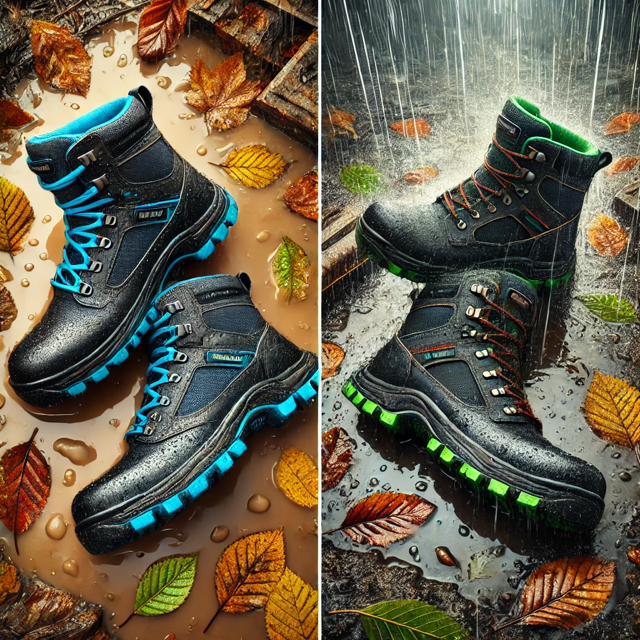
Today’s waterproof safety shoes incorporate advanced technologies to keep feet dry during extended use. Many brands utilize materials like breathable membranes, hydrophobic leathers, or welded seams to prevent water ingress. For example, models such as Urgent 305 S3 shoes combine water resistance with a robust outsole to ensure performance in demanding environments. Portwest’s waterproof footwear lines are engineered to meet EN ISO 20345 S3 standards with an emphasis on moisture protection. Some options also feature quick-dry inner linings, preventing prolonged dampness after exposure. These technical features offer enhanced performance without compromising breathability. Choosing shoes with proven waterproof capabilities is crucial for workers in wet industrial zones. Products available at Optimum BHP come with full descriptions of their moisture-resistance levels.
Slip Resistance: A Top Priority for Wet Conditions
In environments where water or chemicals may create slippery surfaces, slip resistance becomes a non-negotiable feature. Certified S3 safety shoes often include SRC-rated outsoles that offer superior grip on ceramic and steel surfaces. For instance, Procera Defender S3 boots feature deeply grooved treads for maximum contact and control. Materials like dual-density PU or rubber outsoles are chosen for their anti-slip properties. Slip resistance helps prevent falls and other common injuries in warehouses, production halls, or external job sites. When selecting safety footwear at Optimum BHP, be sure to check product specs for SRC certification. Shoes that offer both water protection and anti-slip outsoles deliver all-around safety for wet workplaces. Investing in such features ensures compliance and enhances day-to-day worker confidence.
Thermal Insulation and Moisture Management
Apart from waterproofing and grip, insulation is another critical factor in wet and cold conditions. S3 winter models like Portwest FD01 S3 boots provide excellent thermal comfort thanks to their lined interiors. Moisture-wicking linings help reduce foot sweat and condensation during long workdays. Brands often integrate breathable membranes that allow vapor to escape while keeping external water out. For those working in refrigeration or winter construction, this balance of insulation and dryness is essential. Optimum BHP stocks a wide range of insulated S3 footwear for various temperature zones. Products are clearly labeled for their thermal performance and lining types. Keeping feet warm and dry not only boosts productivity but also supports foot health in wet climates.
Breathability vs. Waterproofing: Finding the Right Balance
While waterproofing is essential, breathability ensures long-term comfort in safety shoes. Over-insulated or non-ventilated shoes may lead to overheating and foot fatigue. Brands such as Ardon and Delta Plus offer hybrid S3 shoes that combine moisture barriers with airflow channels. Delta Plus safety footwear often integrates Coolmax linings for ventilation without sacrificing protection. Choosing the right pair involves evaluating how active the work is and how much time is spent outdoors. For active roles involving constant movement, a breathable waterproof shoe prevents excessive sweating. On the other hand, jobs requiring static outdoor work may prioritize insulation and waterproof membranes. The Optimum BHP online store offers a range of configurations for each role. Reading detailed product descriptions helps tailor the shoe to your work conditions.
Toe Protection and Impact Resistance
In wet conditions, the risk of slips is often accompanied by falling tools or objects. That’s why steel or composite toe caps are a standard feature in all S3 safety footwear. 3M’s metal-free safety shoes ensure impact protection while avoiding cold conduction. This is particularly useful in damp environments where metal can become cold or conductive. Composite materials, such as fiberglass or carbon fiber, provide lightweight protection. Optimum BHP carries numerous S3-rated shoes with toe caps tested to withstand up to 200 joules. Some models also feature overcap protection for high-wear areas, especially useful in construction or paving. The Urgent safety footwear line includes several composite-toe models ideal for wet job sites. Ensuring proper toe protection is a legal requirement and a safety must in high-risk areas.
Ease of Maintenance in Moist Environments
Regular cleaning and care of safety shoes help preserve their waterproof properties and extend durability. Materials used in S3 models are designed to resist grime, mud, and industrial chemicals. Shoes like the CXS safety range include smooth upper materials that are easy to wipe or brush clean. Some models also have removable insoles for drying or replacement. Proper shoe care contributes to long-term hygiene, especially in industries dealing with moisture and biohazards. Drying shoes properly after shifts ensures they retain their shape and integrity. Using professional waterproof sprays may restore water repellency after months of use. On the Optimum BHP blog, you’ll find expert tips on shoe maintenance. A well-maintained pair of safety shoes is an investment in both safety and comfort.
Choosing the Right Fit and Size for Long Hours
Comfortable safety shoes are just as important as durable ones, especially when working in wet settings. Poorly fitted shoes may cause blisters, restrict movement, or compromise safety. Optimum BHP provides detailed sizing guides for every S3 safety shoe model. When shopping online, ensure to measure both feet and leave room for thermal socks if working in cold conditions. Models with ergonomic insoles, padded collars, and shock-absorbing midsoles increase daily comfort. Sizing consistency between brands varies, so always refer to individual product guidelines. Choosing the right size reduces fatigue and prevents pressure points during long shifts. Trying a few options from trusted brands like Urgent or Portwest is a smart strategy. Footwear that fits well enhances stability, grip, and user satisfaction in wet working environments.
Recommended S3 Models for Wet Work Environments in 2025
To help simplify your choice, we’ve highlighted top S3 waterproof shoes for 2025 available at Optimum BHP:
- Urgent 304 S3 Safety Shoes: waterproof, breathable, and lightweight.
- Portwest FD15 S3 Waterproof Boot: oil-resistant and padded for extra warmth.
- Procera Classic S3 Safety Boots: budget-friendly and reinforced.
- Delta Plus Jet S3 Shoes: anti-fatigue and full-grain leather.
- Ardon Sirius S3 Waterproof Shoes: stylish and functional.
Each model meets EN ISO 20345 S3 standards and is suitable for wet environments. The full catalog of safety footwear includes many more options for every budget and job type.
Summary: S3 Safety Shoes as a Smart Investment for Wet Conditions
Choosing the right waterproof safety shoes in wet work environments is not just about comfort—it’s a critical safety decision. From S3 certification to waterproof membranes, anti-slip soles, and thermal insulation, every feature matters. Brands like Portwest, Urgent, and Procera offer proven options for European professionals. At Optimum BHP, you’ll find expert guidance, detailed product pages, and access to our helpful FAQ on safety shoes. Don’t forget to explore our workwear blog for updates, tips, and product reviews. Whether you work in logistics, construction, agriculture, or refrigeration, your safety begins with the right footwear. Make your selection based on use case, certification, comfort, and maintenance needs. Wet environments can be unpredictable—but your footwear shouldn’t be. Trust Optimum BHP’s safety shoe selection to support your performance and safety in 2025.