
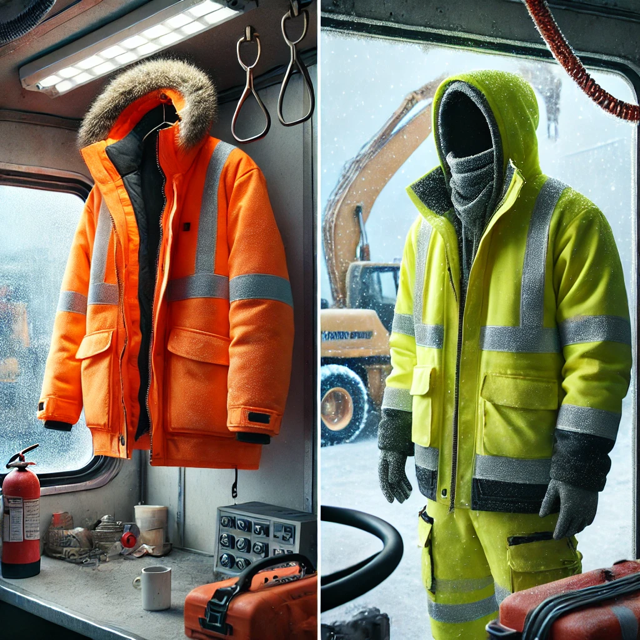
Insulated vs. Softshell Work Jackets for Cold Weather: Which Should You Choose in 2025?
When choosing the right outerwear for cold weather, the decision often comes down to two key types: insulated work jackets and softshell work jackets. Each offers different advantages in terms of warmth, weather protection, and flexibility — and choosing the wrong one can affect your safety and comfort on the job. In this detailed comparison for 2025, we’ll help you understand which jacket type best fits your professional needs. You can browse the full range of workwear, insulated jackets, softshell work jackets, and winter jackets in the Optimum BHP store. For more advice, visit our blog and read the Winter Workwear FAQ.
Dive into more blog content:
Warm and Durable Insulated Jackets for Warehouse and Outdoor Work: Portwest DX430 vs. Procera Vigor vs. Sara Workwear Comfort Neo Winter
Urgent 1221 Winter, CXS Canis Dingo Winter & Polstar Alaska Evolution Winter – Comparing Insulated Leather Gloves for Demanding Winter Work
Urgent 1225 Winter, Procera X-Superior Winter & CXS Canis Technik Winter – Comparing Reinforced Insulated Work Gloves for 2025
Insulated Safety Boots for Winter 2025 – Comparing Procera Winter Strong S3, VM Footwear Wellington S3, and Solid Gear Talus GTX High S3
Portwest AS26 ESD Antistatic Polar vs Portwest FR30 Flame Resistant Polar vs Portwest FR31 Hi-Vis Flame Resistant Polar — technical protection in fleece workwear
Comparing Portwest Service Work Pants: DX443, DX440, and DX449
______
Thermal Performance: Which Type Keeps You Warmer?
Insulated work jackets are specifically designed for low-temperature environments, offering robust thermal padding to retain body heat. They typically feature quilted linings, high collars, and wind-blocking zippers to provide all-around warmth during winter. A great example is the Portwest DX460, which uses Insulatex padding and waterproof Oxford fabric for extreme cold protection. In contrast, softshell jackets like the Ardon Lega prioritize breathability and stretch over insulation. While they do provide moderate warmth, especially when layered with thermal base layers, they’re better suited for milder cold or high-mobility jobs. So, if maximum warmth is your priority, an insulated jacket is the better choice for freezing conditions.
Weather Resistance: Waterproofing and Wind Protection Compared
Both types of jackets can offer water resistance, but to varying degrees. Softshell jackets such as the Urgent 980 Hi-Vis Softshell typically use a DWR-coated surface to repel light rain and snow, but they may not stand up to long exposure. On the other hand, many insulated jackets are built with dedicated waterproof membranes and taped seams. Take the Portwest S427 7-in-1 for example — it offers not just insulation, but also certified waterproof and breathable layers. If your job requires long hours in wet and windy conditions, an insulated waterproof jacket is a more reliable solution.
Mobility and Flexibility: Which One Offers Better Range of Motion?
Softshell jackets have a significant advantage when it comes to freedom of movement. Designed with elastane or stretch polyester, they allow for dynamic motion, making them ideal for climbing, lifting, or working in tight spaces. The CXS Orion Softshell Jacket is a great choice for logistics, warehouse, or roadwork tasks requiring agility. Insulated jackets, while warm, can sometimes feel bulkier — especially in multi-layered designs. However, newer models like the Snickers 1130 AllroundWork Jacketincorporate ergonomic tailoring and 37.5® insulation to balance warmth and movement. If flexibility is essential to your role, a softshell jacket might offer a more comfortable experience.
Durability and Protection for Harsh Job Sites
When working in tough conditions — such as construction sites, roadside maintenance, or industrial zones — durability matters. Insulated jackets often come reinforced with ripstop fabrics, heavy-duty stitching, and reinforced elbows or shoulders. The Sara Workwear Drogowiec Winter Jacket is a heavy-duty choice for road crews needing both visibility and cold protection. Softshells, while rugged, are more prone to wear in abrasive environments, unless they feature reinforcements. If your priority is long-term wear and resistance to mechanical damage, go for insulated models built for heavy industry.
Visibility and Compliance with Safety Standards
High-visibility is essential for professionals working in traffic, infrastructure, or outdoor environments. Many insulated jackets come in EN ISO 20471-compliant versions with wide reflective tapes and fluorescent fabrics. The Portwest C467 Bomber 3-in-1 is an excellent example that combines waterproofing, insulation, and high-visibility. Some softshell jackets like the Neo Tools 81-521 also meet visibility standards but may lack thermal layering. For road workers, utility services, or transport teams, an insulated hi-vis jacket provides better all-around protection.
Thermal Insulation vs. Softshell Technology: What Keeps You Warmer in Extreme Cold?
Insulated work jackets use thick linings like fleece, quilted padding, or thermal wadding to trap body heat, making them ideal for extreme cold or long hours in static work. On the other hand, softshell work jackets are engineered with layered synthetic materials that offer moderate warmth but greater flexibility and breathability — making them better for active professionals. The choice between them often depends on job intensity and temperature exposure. If you’re working in sub-zero temperatures or wind-exposed areas, an insulated work jacket from Portwest or Reis might be the better choice. But for jobs requiring movement and breathability — like delivery or maintenance — a softshell jacket with water resistance may offer better comfort and efficiency. Professionals should consider how much thermal protection they truly need before choosing between these two systems. Optimum BHP offers both variants in diverse configurations tailored to winter 2025.
⸻
Waterproofing and Wind Protection: Where Do These Jackets Stand?
Softshell jackets are often treated with durable water repellent (DWR) coatings and have wind-blocking outer layers, but they may not be fully waterproof during heavy snow or rainfall. In contrast, many insulated jackets are equipped with polyurethane membranes or taped seams that offer greater water resistance, especially when layered with waterproof trousers. If your work involves frequent outdoor exposure — road maintenance, railways, or open construction — insulated high-visibility jackets like the Portwest S427 7-in-1 provide full protection. Softshells may fall short when conditions become more severe, though they remain lighter and more breathable for variable climates. Ultimately, job location and precipitation levels should guide your selection. At Optimum BHP, you’ll find jackets with varying levels of water resistance — from softshells to full stormproof insulated coats.
⸻
Visibility and Safety Compliance in Work Jackets
In hazardous environments, visibility can be just as important as insulation. Many insulated jackets are built with EN 20471-compliant reflective elements, making them suitable for road workers, logistics crews, and industrial operators. Softshells are also available in high-visibility workwear, but not all models offer the same level of certification. For instance, the Snickers 1130 AllroundWork jacket offers both thermal insulation and top-tier visibility. Meanwhile, lightweight options like the CXS Preston reflective fleece are great for layered use in transitional weather. Safety managers should ensure that all outer layers comply with required norms, especially for workers near road traffic or machinery. Browse hi-vis jackets at Optimum BHP to find both softshell and insulated models that meet EN standards.
⸻
Freedom of Movement and Ergonomics at Work
While insulation provides warmth, it can sometimes restrict movement — especially in bulky parkas or bomber jackets. Softshell jackets, often made with stretch panels and ergonomic tailoring, offer greater mobility for climbing, crouching, or repetitive arm movements. Workers in logistics, transport, or maintenance often prefer softshell work jackets for that reason. However, modern insulated jackets from brands like Ardon and Sara Workwear now incorporate flexible side panels, adjustable hoods, and lighter insulation to balance warmth with mobility. Choosing jackets with articulated sleeves, inner cuffs, and zip vents allows for better comfort even in low temperatures. The right fit enhances safety by preventing snagging or heat loss, especially when layered correctly. Look for product specifications on Optimum BHP, where ergonomics are prioritized in both jacket types.
⸻
Cost-Effectiveness and Longevity: Which Jacket Lasts Longer?
Insulated jackets tend to be heavier-duty and more durable in harsh outdoor environments, especially when reinforced with Cordura or polyester ripstop fabrics. This makes them a longer-term investment for workers in cold, abrasive conditions. In contrast, softshell jackets may wear faster under mechanical strain but cost less upfront — making them ideal for lighter-duty work or temporary employment. At Optimum BHP, you can find affordable insulated jackets like the REIS K-VIS as well as high-performance softshells from Neo Tools or Consorte. Professionals managing large crews may prefer the budget-friendliness of softshells, while individuals working in high-risk areas might opt for jackets with higher durability ratings. Balancing quality and price is easier when you know the use case.
⸻
How to Layer with Either Jacket Type for Maximum Effect
Both jacket types work best when used as part of a full winter layering system. Start with thermal base layers, add a fleece or high-visibility sweatshirt, and top off with your preferred outerwear. If you’re using a softshell jacket, ensure that your mid-layer provides enough insulation, since softshells are less warm by themselves. For insulated jackets, thinner base layers may suffice in moderate cold. Accessories like insulated gloves, winter trousers, and safety footwear complete the system. Explore the Optimum BHP blog and FAQ for winter clothing for detailed layering advice tailored to your industry. The right combination of layers ensures comfort, flexibility, and safety even in changing winter conditions.
Final Verdict: Insulated vs. Softshell Work Jackets for Cold Weather: Which Should You Choose in 2025?
Ultimately, the best jacket depends on your job conditions and preferences. Choose an insulated work jacket if you work in static or slow-paced environments in freezing temperatures — especially outdoors or during night shifts. Opt for a softshell work jacket if you’re constantly on the move, need greater flexibility, or work in milder cold and damp environments. For those looking to combine both, layering a thermal base under a breathable softshell can also be effective. Explore the full selection of winter-ready workwear at Optimum BHP, and don’t forget to check the blog and FAQ section for further expert guidance.