
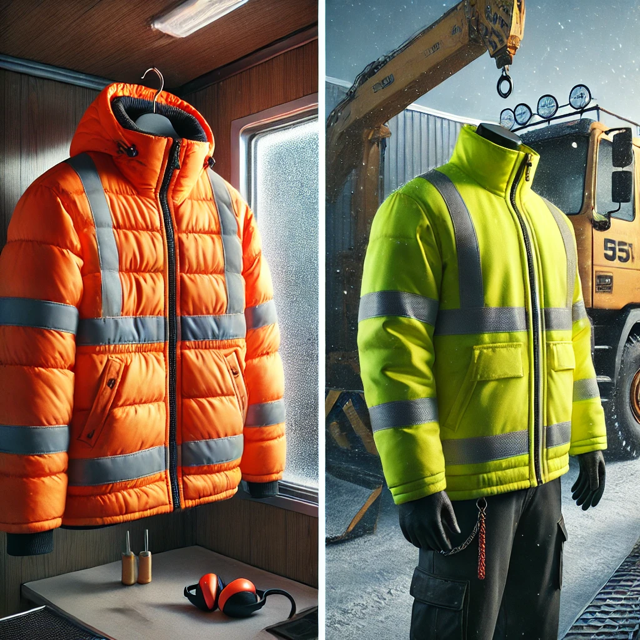
Insulated Work Jackets vs. Layering Systems: What’s Better for Harsh Winter Conditions? 2025 Guide
Working in freezing temperatures demands smart choices in protective clothing. For professionals in construction, logistics, railways, and heavy industry, staying warm is not just a matter of comfort — it’s essential for safety and productivity. When comparing insulated work jackets with multi-layered systems, many ask: which solution provides better protection during harsh winter conditions? In this guide, we’ll compare both approaches and help you choose the right winter workwear for your needs. All products mentioned are available in the Optimum BHP store, and for more insights, visit our winter workwear FAQ and blog.
There’s more to read on our blog:
Top 10 High-Visibility Winter Workwear Essentials for Road Crews in 2025
The Best Insulated Work Jackets for Winter 2025 – Top Picks for EU Professionals
Introduction: The Importance of Layering for Autumn Workwear
Rainproof Softshell Work Jackets for EU Professionals: Top Lightweight Picks for Autumn 2025
Midweight vs. Heavyweight Insulated Workwear for Winter 2025: Which Offers Better Balance of Warmth and Mobility?
Cheap Insulated Gloves for Winter 2025 – Procera Delivers Warmth on a Budget
⸻
What Are Insulated Work Jackets – And Why Do Workers Rely on Them?
Insulated jackets are single garments engineered to offer both thermal protection and durability in one layer. Designed with built-in insulation, weather-resistant materials, and high collars, they’re the go-to solution for workers exposed to extreme temperatures. Popular among road crews, warehouse staff, and outdoor technicians, insulated jackets often include EN 342 certification for cold protection. Their simplicity is their strength: no complicated layering, just grab and go. Leading manufacturers like Portwest, Snickers Workwear, CXS Canis, and Sara Workwear offer top-performing insulated options. However, these jackets must be chosen carefully to match specific work environments. Whether it’s wind, snow, or sub-zero windchill, an insulated jacket tailored to the job is a critical asset.
⸻
Layering Systems: Building a Protective Shield from Base to Shell
A layering system consists of multiple garments that work together to manage heat, moisture, and protection. Typically, it includes thermal base layers, insulating mid-layers (such as work fleeces or sweatshirts), and outer shell jackets that are waterproof, windproof, and breathable. This approach allows for better temperature regulation and adaptability — workers can remove or add layers based on activity level or changing weather. Layering is especially valuable for those in mobile professions like road maintenance or service technicians. Brands such as Snickers Workwear, Neo Tools, and Delta Plus design garments that integrate seamlessly into advanced layering systems. While layering provides versatility, it does require more planning and the right fit between garments to avoid bulk or gaps in protection.
⸻
Warmth and Insulation: Which System Retains Heat Better?
In static or low-activity jobs — such as crane operators or security staff — insulated jackets typically outperform layered systems in terms of retained heat. With built-in padding and wind-blocking outer shells, they trap warmth effectively and reduce the need for frequent adjustments. On the other hand, a properly built layering system allows for fine-tuned temperature management, making it ideal for active workers who alternate between intense tasks and idle periods. For extreme cold, some workers combine both strategies — using insulated outerwear over thermal base layers. This hybrid approach maximizes insulation while preventing overheating. At Optimum BHP, you’ll find both insulated jackets and FR-certified base layers designed for demanding conditions. The key is understanding your physical workload, exposure level, and personal preference for breathability versus insulation.
⸻
Mobility and Flexibility: Which Is More Comfortable on the Job?
Layered systems typically offer more mobility, especially when mid-layers are made with stretch materials or technical fabrics. Workers who climb ladders, crouch frequently, or operate machinery benefit from the flexibility that comes with multiple, lighter garments. However, modern insulated jackets from top brands such as Lahti Pro and Urgent are also designed with ergonomics in mind — articulated sleeves, elastic cuffs, and softshell elements improve fit and range of motion. Ultimately, it’s a trade-off: layering provides adjustable comfort, while insulated jackets offer reliable warmth in a compact design. Consider your daily activities and environment when deciding which system better supports your workflow.
⸻
Cost and Practicality: Which System Is More Economical?
An insulated jacket may seem more cost-effective at first — it’s a one-time investment in a multifunctional garment. However, a layering system can be more versatile and cost-efficient in the long term, especially if base and mid-layers are reused across seasons. Workers who transition from autumn to winter to early spring benefit from the adaptability of modular layering. The workwear category at Optimum BHP includes both premium insulated options and affordable layering pieces from trusted brands like Procera and Polstar. Don’t forget maintenance: insulated jackets must be cleaned and dried properly to maintain thermal performance, while base layers require frequent washing to preserve hygiene. Factoring in these considerations helps businesses choose the best strategy for outfitting workers efficiently.
⸻
Safety and Certifications: Which Provides Better Compliance?
Both insulated jackets and layered systems can meet international standards like EN 342 (cold), EN 20471 (visibility), and EN ISO 11612 (flame resistance). What matters is the specific certification of each piece. A standalone jacket may cover multiple needs — cold, visibility, water resistance — in a single product. However, in a layered system, each layer can be purpose-built: FR-certified base layers, high-visibility outer shells, and waterproof membranes can be mixed and matched for specialized environments. Optimum BHP offers certified products across all layers, including flame-resistant workwear, high-visibility jackets, and waterproof shells. Consulting the right combination of certifications is crucial, particularly in energy, petrochemical, and infrastructure sectors where compliance is non-negotiable.
How to Combine Insulated Jackets with Layering for Maximum Efficiency
While many workers view insulated jackets and layering systems as mutually exclusive, the most effective cold-weather outfits often combine both. Starting with thermal base layers that wick moisture and retain heat, workers can then add a mid-layer fleece or sweatshirt for extra insulation. On top of that, an insulated work jacket acts as a barrier against wind, snow, and freezing rain. This hybrid approach provides optimal protection in both high-activity and low-movement tasks. It’s especially recommended in sectors like utilities, construction, and outdoor logistics, where temperatures may shift throughout the day. Optimum BHP offers complete systems compatible with this method — from base layers to waterproof and flame-resistant jackets. Combining the best of both strategies ensures you won’t have to sacrifice comfort for compliance.
⸻
Choosing the Right Insulated Jacket for Your Work Environment
Not all insulated jackets are created equal, and the wrong choice can reduce productivity and increase risk. Workers exposed to constant moisture should prioritize waterproof insulated jackets with sealed seams and breathable membranes. For roadside or infrastructure jobs, high-visibility insulated optionsmeeting EN 20471 standards are a must. Meanwhile, welders and technicians in high-heat environments must use flame-resistant winter jackets. Brands like Portwest, Sara Workwear, and Snickers Workwear offer specialized models tailored to these needs. Always consider job-specific hazards, climate severity, and mobility requirements before selecting outerwear. At Optimum BHP, filters and categories help narrow your search for the perfect jacket.
⸻
Training Workers to Use Layering Systems Effectively
Even the best clothing system fails if not used properly. That’s why companies should train workers not only on safety procedures but also on how to dress for winter shifts. Educating staff on the proper use of base layers, moisture management, and windproof shells can reduce fatigue and prevent cold-related injuries. It’s also important to inform teams about layering compatibility — for instance, ensuring that mid-layers don’t restrict movement under a tight outer jacket. Workers in logistics or energy often benefit from carrying an extra mid-layer or switching between two outer shells depending on workload. The blog at Optimum BHP includes educational content for both employers and employees. A well-informed team stays warm, productive, and compliant.
⸻
How Flame Resistance Affects Your Layering Decisions
When working in high-risk environments such as electrical maintenance or petrochemical plants, flame-resistant clothing is mandatory. This requirement affects every layer of your outfit — from thermal underwear to outerwear. Workers must ensure that their FR base layers and jackets are certified to EN ISO 11612 or EN 1149 standards. Layering non-FR garments under an FR jacket can compromise protection and violate safety codes. Brands like Portwest, Snickers Workwear, and CXS Canis provide full flame-resistant systems that are also cold-weather ready. Employers should always choose certified multi-layer FR systems or insulated FR jackets — not only for compliance but to prevent catastrophic injury. Optimum BHP helps simplify this process by clearly marking all FR-compliant products.
⸻
Sustainable Choices: Reducing Waste in Winter Workwear
Sustainability is becoming increasingly important across all industries, including PPE. Layering systems offer long-term value by allowing workers to reuse base layers and mid-layers across different seasons. This reduces the need to replace entire garments each winter. Additionally, many top brands available at Optimum BHP are shifting toward eco-conscious materials — such as recycled insulation or biodegradable waterproofing agents. Portwest and Snickers Workwear lead the way in developing greener cold-weather PPE. Choosing garments that last longer, perform better, and reduce environmental impact helps businesses align with CSR goals. Sustainability doesn’t mean compromising protection — it means choosing smarter, future-proof solutions.
⸻
Final Verdict: Insulated Work Jackets vs. Layering Systems: What’s Better for Harsh Winter Conditions? 2025 Guide
There’s no universal winner — it all depends on your industry, climate, and daily demands. Insulated jackets are ideal for simplicity, instant warmth, and static roles, while layered systems excel in flexibility, breathability, and long-term adaptability. Many professionals find success in blending both approaches: thermal base layers, technical mid-layers, and a lightweight insulated or waterproof shell. The workwear experts at Optimum BHP recommend building your cold-weather wardrobe with certified, job-specific garments that balance comfort, safety, and budget. Whether you’re outfitting a single technician or an entire crew, the right combination of insulation and layering ensures performance doesn’t freeze up with the weather.