
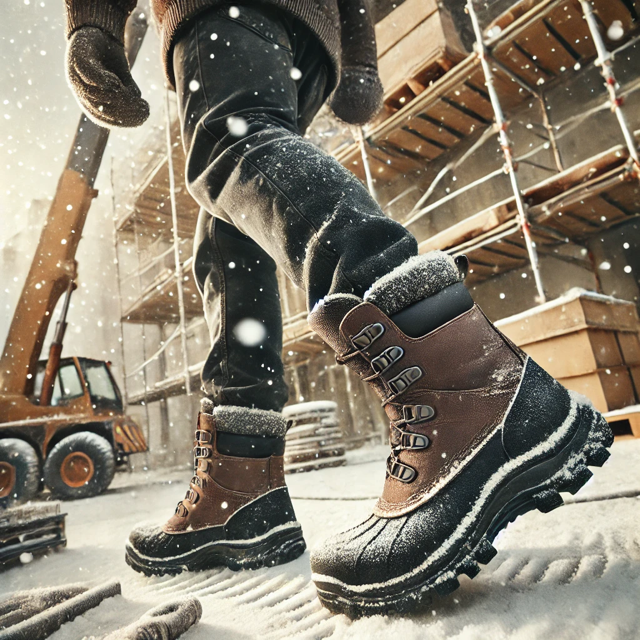
Lightweight Insulated Safety Boots for Winter Construction in 2025: Comfort Meets Protection
When icy winds, snow, and wet ground define the season, workers need footwear that delivers both warmth and mobility. That’s where lightweight insulated safety boots come in — engineered to keep feet warm, dry, and comfortable without adding unnecessary bulk. Available at Optimum BHP, brands like Portwest, Procera, and Delta Plus have revolutionized winter construction footwear with designs that combine thermal insulation, light materials, and advanced protection standards. These models meet EN ISO 20345 S3 certification and are ideal for construction professionals, logistics teams, and infrastructure workers who spend long hours outdoors in unpredictable winter weather.
More great content awaits on our blog:
Insulated Safety Boots for Winter 2025 – Comparing Procera Narvik S3, Cofra Mercurio S3, and Solid Gear Talus GTX High S3
Comparing Portwest Flame-Resistant and Antistatic Workwear Pants: PW3 Hi-Vis FR416, Bizflame Industry FR66, and Modaflame Hi-Vis ESD MV46
Insulated Safety Boots for Winter 2025 – Comparing Delta Plus Jumper3 S3, Ardon Firwin G3131 S3, and Procera Winter Strong S3
Insulated Hi-Vis Jackets for Construction and Logistics in 2025: Portwest DX465 3-in-1 vs. Urgent Y-263 vs. Snickers 1130 AllroundWork
When Flame-Resistant Jackets Meet Waterproof Technology: Are Hybrid Winter Jackets the Future of Safety Workwear?
Insulated Safety Boots for Winter 2025 – Comparing Solid Gear Talus GTX High S3, VM Footwear Wellington S3, and Ardon Firwin G3131 S3
⸻
Innovative Materials That Reduce Weight Without Sacrificing Safety
Traditional winter work boots used to be heavy, rigid, and difficult to wear for long periods. In 2025, innovation has changed that. Base Protection and Uvex lead the way with composite toe caps, ultra-light midsoles, and flexible PU outsoles that weigh up to 30% less than standard steel boots. Procera integrates EVA cushioning and memory-foam insoles for exceptional shock absorption and reduced fatigue. Meanwhile, Delta Plus focuses on ergonomic structure — improving balance and flexibility on uneven ground. This new generation of insulated safety footwear proves that lightweight protection can still meet the toughest industrial demands, offering unmatched freedom of movement without compromising durability.
⸻
Thermal Insulation and Breathable Warmth
Insulation is vital during winter construction, but overheating is equally problematic. Modern insulated boots balance both. Portwest uses Thinsulate™ linings that retain body heat while allowing air to circulate. Procera combines fleece and moisture-wicking membranes to ensure optimal temperature control. Delta Plus incorporates aluminum-reflective layers that redirect heat toward the foot while blocking external cold. These innovations prevent sweat buildup and maintain comfort throughout long shifts. Even in –10°C environments, workers can rely on consistent warmth and dryness — a key advantage that directly impacts focus, productivity, and safety on the job.
⸻
Ergonomics and Comfort for Extended Workdays
Foot fatigue is one of the most common problems in the construction sector, especially in winter when heavy clothing already adds strain. That’s why ergonomic design has become a priority. Uvex and Base Protection have perfected footbed systems that adapt to the worker’s step pattern, providing continuous support and cushioning. Portwest enhances comfort with anatomical insoles and padded collars, while Procera adds flexible ankle zones that improve mobility during climbing or kneeling. The result is footwear that minimizes fatigue and improves circulation, enabling construction professionals to stay efficient even after ten-hour shifts in the cold.
⸻
Protection You Can Rely On — From Toes to Heels
Lightweight doesn’t mean fragile. Delta Plus, Procera, and Portwest ensure full compliance with S3 standards, offering puncture-resistant midsoles, reinforced toes, and oil-resistant outsoles. Anti-slip SRC soles maintain traction on snow, ice, and metal scaffolding. CXS Canis enhances stability with raised heel sections and water-repellent leather uppers. These features make the boots ideal for outdoor construction, renovation, and heavy transport operations. Workers gain complete confidence knowing every step is supported by certified protection — tested under extreme conditions to meet European PPE safety levels.
⸻
Sustainability and the Future of PPE Footwear
The future of PPE footwear lies in sustainability — and winter construction boots are no exception. Cofra and Lemaitre now use eco-friendly insulation, water-based adhesives, and recycled synthetic materials to reduce environmental impact. Base Protection has introduced biodegradable soles that maintain full performance even in subzero climates. Each sustainable pair available at Optimum BHP proves that eco-responsibility and worker safety can coexist. For companies investing in long-term sustainability goals, these modern, lightweight insulated boots reflect not only innovation but also environmental awareness — a major competitive advantage in today’s European market.
⸻
FAQ – Lightweight Insulated Safety Boots for Winter Construction
1. Why are lightweight insulated safety boots ideal for winter construction?
They provide warmth, flexibility, and full protection without adding excess weight, allowing construction workers to move freely even in harsh winter conditions.
2. Which brands lead in lightweight insulated work boots?
Top-performing options include Portwest, Procera, and Delta Plus — all trusted by professionals across Europe.
3. How do insulated boots prevent cold-related injuries?
They trap heat inside while blocking external moisture, reducing the risk of frostbite, numbness, and circulation problems common in subzero environments.
4. Are lightweight boots as durable as heavy ones?
Yes — thanks to modern composite materials, lightweight boots match or exceed the durability of steel models while being more flexible and comfortable.
5. Do these boots meet European safety standards?
All models at Optimum BHP comply with EN ISO 20345 S3 requirements for impact, puncture, and slip resistance.
6. How do they maintain breathability while insulated?
They use micro-porous membranes that allow vapor to escape without letting water or cold air in, ensuring balanced comfort throughout the day.
7. Can I wear lightweight insulated boots indoors?
Yes — breathable linings and moisture control systems make them suitable for both indoor and outdoor winter tasks.
8. Do these boots offer protection against slips and falls?
Absolutely — SRC-rated soles deliver traction on ice, concrete, and wet construction surfaces, minimizing accident risk.
9. Are lightweight safety boots waterproof?
Yes — Delta Plus and Procera models feature sealed seams and waterproof membranes for maximum resistance.
10. How do ergonomic features improve comfort?
Anatomically designed insoles, shock-absorbing midsoles, and padded ankle zones distribute pressure evenly, reducing muscle strain and fatigue.
11. Are eco-friendly lightweight boots available?
Yes — Cofra and Base Protection specialize in sustainable models made with recycled or biodegradable materials.
12. Can these boots handle long outdoor shifts?
Definitely — their combination of insulation, lightness, and waterproof design ensures comfort and durability for 10–12 hour winter workdays.
13. Do insulated boots require special maintenance?
Clean regularly with mild soap, dry at room temperature, and apply waterproofing spray monthly to preserve their protective qualities.
14. Are lightweight safety boots suitable for cold storage or warehouse work?
Yes — they maintain insulation without overheating, making them perfect for temperature-controlled environments as well.
15. Where can I buy certified lightweight insulated safety boots in 2025?
At Optimum BHP — the European expert in professional, lightweight, and winter-ready PPE footwear for construction and industrial workers.