
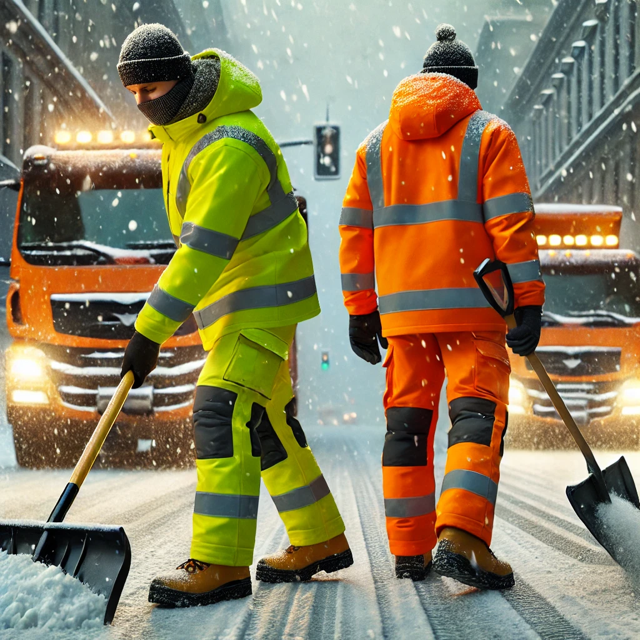
Procera Insulated Workwear for Utility Workers (Gas, Water, Sewage) in Winter Conditions
Utility workers — whether servicing gas lines, water mains, sewage systems or infrastructure — often operate in harsh winter conditions: deep trenches, exposed pipes, damp ground, low visibility and extreme cold. Choosing the right workwear and insulated workwear from Optimum BHP is essential for both safety and productivity in these demanding environments. The brand Procera offers a winter-workwear system tailored to such roles — combining insulation, durability, mobility and visibility. In this article, we’ll present a complete Procera winter workwear set for utility workers, based on jackets, insulated bib trousers, mid-layers, gloves, boots and workable layering strategy. Each piece is selected to handle damp trenches, frost-laden surfaces, water-spray and variable weather while maintaining professional look and on-site readiness. At the end you’ll find a detailed FAQ answering key questions about this gear selection.
Stay informed with more blog updates:
Beyond Fire Resistance: How Antistatic and Waterproof Workwear Protects in Multi-Hazard Winter Environments
Comparing Insulated Hi-Vis Work Jackets for 2025: Portwest and Procera in Action
Top Insulated Winter Work Boots 2025 – Comparing Solid Gear Talus GTX High S3, Delta Plus Jumper3 S3, and Procera Narvik S3
CXS Canis Winter Workwear for Forklift Operators in 2025: Safe and Warm Clothing for Warehouse Logistics
CXS Canis Reflective Workwear for Forklift Operators and Warehouse Staff: Warmth and Visibility for Indoor-Outdoor Logistics in Winter 2025
Layering CXS Canis Winter Workwear for Maximum Protection and Comfort in EU Job Sites
⸻
1. Outer Jacket – Protection Against Cold, Moisture and Wind
The outer jacket must stand up to spades, pipes, wet ground, wind tunnels near open trenches and variable terrain. The Procera Orbito Insulated Jacket is built for such tasks: made from durable polyester shell, internally insulated with fleece for warmth, and featuring a detachable hood and adjustable cuffs to seal out drafts. Its design includes multiple secured pockets (chest, sleeve, internal) to carry cards, tools and documentation — essential for utility technicians on the field. The jacket’s adjustable hem and sleeve cuffs allow a snug fit, limiting cold air ingress during kneeling or lean-over tasks. For wet conditions near leaking pipes or open trenches, its outer shell repels light moisture and the fleece lining retains heat even when damp. The modern colour-scheme (grey/black/yellow) offers visibility while remaining practical. Utility workers will benefit from a jacket that delivers professional appearance, insulation and durability in one.
⸻
2. Insulated Bib Trousers – For Kneeling, Climbing and Cold Ground
Lower-body protection is often underestimated: standing on frosty ground, kneeling in damp trenches or climbing ladders into manholes require trousers designed for insulation and mobility. The Procera Proman 260 Insulated Bib Trousers (granat) provide full-length coverage up to the chest, keeping the core of the body warm when kneeling or bending over pipework. Their design supports utility tasks: integrated adjustable suspenders, reinforced front and knees, and insulation to protect from cold ground contact. These bib pants also protect against wind blasts and splashes common in water or sewage work. With durable fabric and functional pockets, they serve the dual role of workwear and protective barrier. Combined with the Orbito jacket, they form a complete upper-lower system for winter utility operations.
⸻
3. Mid-Layer Fleece – Thermal Buffer for Variable Work Conditions
Utility sectors often expose workers to variable conditions: outdoor trenches in sub-zero air, then brief warmth inside vehicles or control cabins. A reliable mid-layer ensures comfort across this variation. The Procera Polar 350G Reinforced Fleece offers heavier insulation (350 g weight) and reinforced fabric zones where wear is heavy (knees, elbows) — ideal when working around metal pipes or heavy equipment. This fleece can be worn under the Orbito jacket outdoors and alone in less strenuous indoor tasks. Its breathable design manages sweat during active digging or climbing, then retains heat when stationary. Utility workers will appreciate the balance between insulation and movement readiness that this mid-layer brings.
⸻
4. Gloves – Grip, Warmth and Protection in Wet & Cold Environments
Utility work in winter means damp gloves, icy metal surfaces, slippery trench ladders and exposed pipes — gloves must deliver warmth, grip and durability. The Procera X-Glacier Insulated Gloves, double-latex coated and lined, provide strong grip on metal tools, pipe fittings and wet surfaces — their full latex coating ensures water resistance and thermally insulated lining retains heat even in cold. These gloves maintain dexterity, allowing technicians to handle complex valve mechanisms or wiring systems without finger numbness. Reinforced construction resists abrasion from pipes, wrenches and rough surfaces. For utility workers, proper gloves are a critical part of the winter ensemble and these deliver.
⸻
5. Footwear – Insulation, Slip-Resistance and Support on Trench Terrain
Exposure to frozen ground, icy steps into manholes, wet surfaces and shifts between indoor and outdoor zones demands boots that combine insulation, stability and protective features. The Procera Narvik S3 SRC Winter Boots provide steel toe protection, puncture-resistant midsole, insulation for cold, and a slip-resistant SRC sole for icy terrain. These boots keep cold out and support technicians traversing uneven, frozen or wet surfaces around utilities. Long shifts standing or kneeling on cold ground demand this kind of footwear for comfort and safety.
⸻
6. Layering Strategy & Safety Integration for Utility Work
Utility work in winter involves variability: outdoor trenches, night shifts, and exposure to wind, water, frost and traffic zones. A smart layering strategy is key: start with base layers, add the 350G mid-layer fleece, then the Orbito outer jacket. The insulated bib trousers plus boots and gloves complete the set. Visibility and safety are also important: in traffic zones or near moving vehicles, add high-vis vests or reflective accessories. Integration with other safety gear — harnesses when working in pits, waterproof over-garments when water leakage is high — should be considered. With this layering system procera gear allows utility workers to stay warm, mobile, visible and prepared for challenging winter conditions.
⸻
Summary: Procera Insulated Workwear for Utility Workers (Gas, Water, Sewage) in Winter Conditions
Utility workers in gas, water and sewage sectors face some of the toughest winter environments: cold ground, open trenches, wet surfaces, low light and heavy gear. The Procera insulated workwear collection available at Optimum BHP meets these demands with specialized design and robust features. From the Orbito Insulated Jacket to a pair of insulated bib trousers, heavy-duty fleece mid-layer, grip-optimized gloves and protective winter boots, each element works together to deliver warmth, safety and functionality. This complete system supports professionals who must perform reliably in winter’s harshest conditions. Visit Optimum BHP to explore the full range and equip your team accordingly.
⸻
FAQ – Procera Winter Workwear for Utility Workers
1. Is the Orbito Insulated Jacket waterproof or just wind-resistant?
It is primarily wind- and cold-protective with durable shell and fleece lining, offering resistance to light moisture.
2. Are the Proman 260 Bib Trousers suitable for kneeling in trenches?
Yes — they cover up to the chest, are insulated and reinforced in high-wear zones, suitable for kneeling and bending.
3. Can the 350G Fleece be worn as outerwear inside heated cabins?
Yes — it works well as a standalone layer in milder indoor environments or as mid-layer in harsher conditions.
4. Do the X-Glacier Gloves provide grip on wet pipe surfaces?
Yes — their double-latex coating offers strong grip on metal and wet surfaces, and insulation keeps hands warm.
5. Are Narvik Winter Boots safe for frozen or icy utility yards?
Yes — S3 SRC rating ensures slip resistance and safety on icy or uneven ground.
6. Should high-visibility apparel be used in traffic-adjacent utility work?
Absolutely — reflective vests or jackets enhance safety when working beside moving vehicles.
7. Can the outer jacket and bib trousers be worn together comfortably during long shifts?
Yes — they are designed as a system, providing consistent insulation and mobility across movements.
8. How should I care for insulated workwear to maintain performance?
Follow care instructions, wash gently, avoid fabric softeners that reduce insulation, dry completely before storage.
9. Is this set suitable for night work in cold utility installations?
Yes — insulation, mobility, and visibility combine to support night shifts in cold environments.
10. Are the gloves and boots compatible with other safety equipment like harnesses or knee-pads?
Yes — they are designed to integrate with standard PPE without hindering use of harnesses or supplementals.
11. How do I choose the right thermal base layer under this gear?
Select moisture-wicking, thin thermal layers beneath to avoid bulk and maintain mobility.
12. Do these garments meet any regulatory standards for utility work?
Yes — boots meet EN ISO 20345 S3 SRC; gloves with EN 388/511; jackets and trousers meet insulation and durability expectations for workwear.
13. Will the bib trousers be too warm for indoor mechanical rooms?
Possibly — if you transition indoors, consider removing outer layer but maintain insulation as needed.
14. Is the outer jacket suitable for heavy rain near open water mains?
It resists light moisture; for heavy rain or splash work consider adding a rain shell over it.
15. Where can I order the full Procera winter set for utility workers?
All items are available at the Optimum BHP online store under Procera insulated workwear categories.