
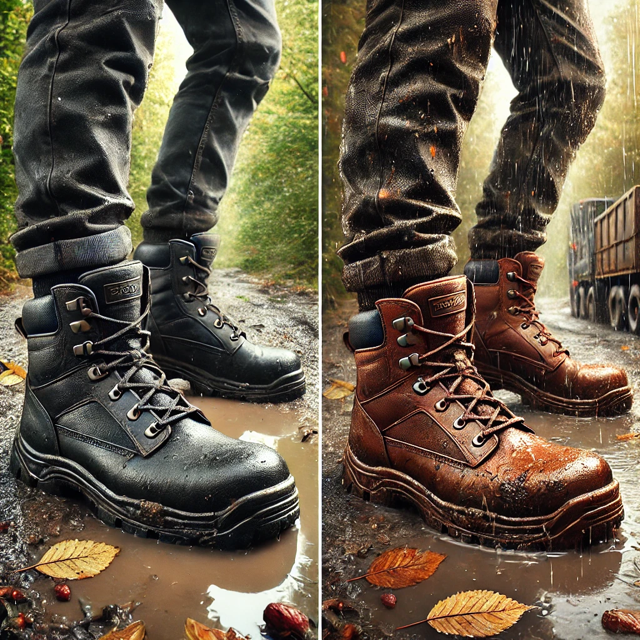
Puncture-Resistant Safety Boots: Maximum Protection for Construction and Industry in 2025
On construction sites, in workshops, and in heavy industry, one of the most common hazards is stepping on sharp objects. That’s why puncture-resistant safety boots are a must-have in 2025. Designed with reinforced midsoles and durable materials, these boots prevent nails, shards, or metal fragments from piercing the foot. Brands like Procera, Delta Plus, and Portwest offer EN ISO 20345-certified footwear that combines flexibility, comfort, and unmatched safety. Whether you work on construction, demolition, or manufacturing projects, puncture-resistant S3 boots from Optimum BHP provide total protection without sacrificing comfort or breathability. For expert selection tips, visit the blog and FAQ sections.
Take a look at more of our content:
All-Season Winter Jackets 2025: Portwest T162 Women’s Hi-Vis vs. Urgent 8723 Softshell vs. Snickers 1100 AllroundWork
Insulated Safety Boots for Winter 2025 – Comparing Delta Plus Jumper3 S3, Ardon Firwin G3131 S3, and Procera Winter Strong S3
Layering CXS Canis Winter Workwear for Maximum Protection and Comfort in EU Job Sites
Insulated Hi-Vis Jackets for Construction and Logistics in 2025: Portwest DX465 3-in-1 vs. Urgent Y-263 vs. Snickers 1130 AllroundWork
Procera X-Superior Winter, Urgent 1225 Winter & Delta Plus FBF15 Winter – Comparing Insulated Leather Gloves for Harsh Winter Work
CXS Canis Reflective Workwear for Forklift Operators and Warehouse Staff: Warmth and Visibility for Indoor-Outdoor Logistics in Winter 2025
⸻
How Puncture-Resistant Footwear Works
The secret to puncture-resistant footwear lies in the anti-perforation midsole, which acts as a barrier between your foot and sharp objects. Traditionally made from steel, modern midsoles also use Kevlar, fiberglass, or composite fabrics. Delta Plus and Procera models integrate lightweight, flexible layers that maintain agility while preventing punctures up to 1100 newtons of force. Steel midsoles offer maximum resistance, while textile inserts improve flexibility and reduce weight — ideal for long shifts. Regardless of material, each certified model undergoes strict EU testing to ensure consistent protection in real-world conditions.
⸻
Steel vs. Textile Anti-Perforation Layers
Both steel and textile midsoles provide certified puncture resistance, but they differ in feel and performance. Portwest and Procera steel-plate boots are best for rugged outdoor sites, offering unparalleled durability against metal shards or nails. On the other hand, textile-based soles from Base Protection or Uvex are lighter and more flexible, reducing fatigue during long hours of walking or climbing ladders. Textile inserts also offer better insulation and non-conductivity — a major advantage for electricians and maintenance staff. The choice between steel and textile depends on the nature of your work, comfort expectations, and environment.
⸻
Ideal Applications: Where Puncture Resistance Is Critical
Construction, metalwork, and waste management are industries where puncture-resistant footwear is non-negotiable. Sharp debris, nails, and glass fragments pose daily threats. CXS Canis and Ardon offer mid-cut S3 boots for builders, roofers, and industrial workers needing flexible yet durable protection. For welders and mechanics, Delta Plus and Portwest models feature flame-resistant uppers with reinforced soles. Even logistics and warehouse staff benefit from lighter Base Protection or Polstar options. Puncture-resistant footwear ensures confidence and safety, no matter the surface underfoot.
⸻
Comfort and Design Improvements in 2025
In the past, anti-perforation footwear was heavy and rigid. Now, innovative materials and design updates make it lightweight and comfortable. Base Protection uses AirTech® and SmellStop® technologies for ventilation and odor control. Uvex integrates soft, energy-absorbing midsoles that cushion every step, while Cofra develops ergonomic insoles that support posture. For winter conditions, Urgent and Procera add thermal insulation layers that maintain warmth without losing flexibility. The result: full protection with the comfort of athletic shoes — a revolution in modern PPE footwear.
⸻
Durability, Care, and EU Certification
Each pair of safety shoes at Optimum BHP undergoes quality testing for resistance to punctures, abrasion, oil, and water. Delta Plus and Portwest comply with EN ISO 20345:2022 S3 standards, guaranteeing long-term durability. Proper care extends lifespan: clean regularly, dry naturally, and avoid harsh solvents. Replace shoes immediately if the sole shows damage, as even minor wear may reduce puncture protection. Investing in certified footwear not only prevents injuries but also reduces downtime and medical costs — an essential step for every safety-conscious company.
⸻
Sustainability and Responsible Production
Many leading PPE brands are now combining protection with eco-friendly innovation. Lemaitre and Cofra produce puncture-resistant footwear using recycled materials and low-emission manufacturing. Lightweight synthetic textiles reduce resource use while maintaining full safety compliance. Base Protection introduces biodegradable soles that meet EU Green PPE initiatives without compromising performance. At Optimum BHP, safety and sustainability now go hand in hand — ensuring that your protection at work supports a safer planet, too.
⸻
FAQ – Puncture-Resistant Safety Boots
1. What makes puncture-resistant boots different from regular safety shoes?
They include a reinforced midsole (steel or textile) that prevents sharp objects from penetrating the sole.
2. What standard certifies puncture resistance?
EN ISO 20345:2022 S3 or S5 ensures anti-perforation properties.
3. Which materials are used for anti-puncture layers?
Steel, Kevlar, composite fiber, or multilayer textiles.
4. Are steel midsoles stronger than textile ones?
Steel offers higher rigidity; textile provides flexibility and insulation.
5. Which brands offer top-rated puncture-resistant boots?
Procera, Delta Plus, and Portwest.
6. Can puncture-resistant boots also be lightweight?
Yes — Base Protection and Uvex lead in lightweight safety design.
7. Are these boots waterproof?
Most S3 models, like Procera and Portwest, include waterproof membranes.
8. Do textile midsoles reduce protection?
No — they meet the same EU standards as steel ones, just with greater flexibility.
9. Are anti-perforation shoes suitable for electricians?
Yes — especially non-metallic versions from Uvex or Base Protection.
10. How long do puncture-resistant boots last?
Typically 18–24 months, depending on terrain and maintenance.
11. Can they be used indoors?
Yes, lightweight textile-soled models are perfect for indoor industrial use.
12. Are these shoes comfortable for long shifts?
Absolutely — brands like Cofra and Base Protection use anti-fatigue insoles.
13. Do anti-perforation boots meet slip resistance standards?
Yes — all certified S3 models are SRC slip-rated.
14. How do I maintain puncture resistance?
Inspect soles regularly; replace shoes immediately if the plate or sole shows cracks or separation.
15. Where can I buy certified puncture-resistant boots online?
At Optimum BHP — the trusted EU store for Portwest, Procera, and Delta Plus safety footwear.