
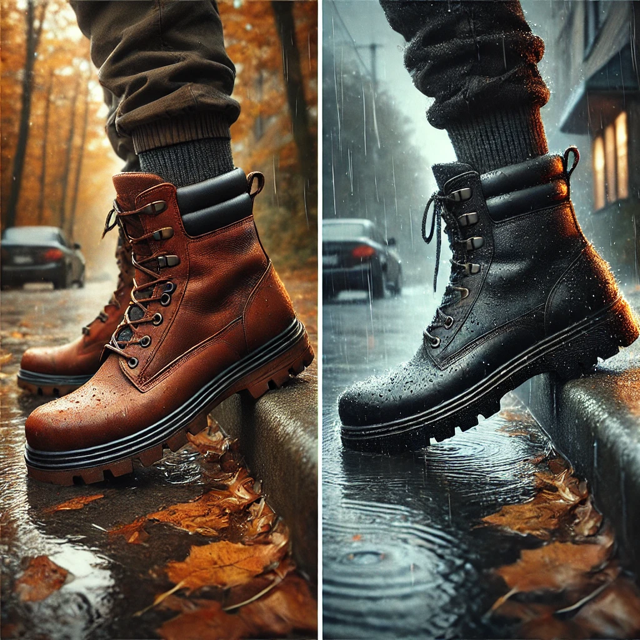
Top Trends in Work Shoes for European Industries 2025
The year 2025 brings a wave of innovation to the world of safety footwear, combining modern technology, comfort, and eco-friendly design. Leading brands such as Base Protection, Uvex, and Delta Plus are introducing lighter materials, breathable fabrics, and anti-fatigue soles that reduce strain during long hours on the job. European industries increasingly prioritize ergonomic comfort, style, and sustainability, making recycled soles and vegan linings more popular than ever. At Optimum BHP, you’ll find footwear that not only meets safety standards but also reflects these new trends — from the modern design of Ardon and CXS Canis to the durability of Procera and Portwest. Learn more on the blog or check professional advice in the FAQ section.
Take a look at more of our content:
Urgent Insulated Workwear for Outdoor and Cold Storage Logistics Teams: Thermal Efficiency and Mobility in Subzero Work Environments
Budget vs Mid-Range vs Premium: BENEFIT RIVAL vs BENEFIT FOGG vs SEVEN KINGS RUBIN A4PO Polstar
Polstar Winter Workwear for Construction Workers: Tough, Insulated, and Weatherproof Gear for Demanding Job Sites
Polstar S3 Cold-Weather Boots Reviewed: BEARFIELD R02, R02 LICO, and W02 Models
Premium Insulated Workwear for Railway Station & Ground Staff – High-Performance Winter Protection for Passenger Service Teams
How REIS Insulated Jackets Improve Warmth, Weather Protection and Comfort During Winter
⸻
Future-Ready Technologies in Safety Footwear
New-generation work shoes go far beyond basic protection. Brands like Base Protection integrate smart cushioning systems and breathable membranes, improving flexibility and airflow. Delta Plus and Uvex focus on anti-shock technology and composite toe caps that weigh 40% less than traditional steel. Meanwhile, Procera and Urgent are releasing high-visibility safety shoes designed for low-light conditions — a must for outdoor or road work. For logistics and indoor environments, lightweight models from Ogrifox and Art.Mas ensure mobility and comfort. Eco-friendly production and recycled materials are becoming standard among manufacturers like Lemaitre and Cofra, aligning with EU sustainability goals.
⸻
Balancing Protection, Comfort, and Sustainability
Work footwear in 2025 embraces a new balance between performance and ecology. CXS Canis introduces water-based adhesives and odor-neutral materials, while Polstar and VM Footwear focus on extended comfort during long work shifts. Electricians and medical professionals benefit from anti-static, ESD-safe shoes like those from Julex. For outdoor specialists, Portwest and Sako create cold-resistant and waterproof designs certified under EN ISO 20345. As industries evolve, so does the definition of reliable safety — footwear must now deliver both style and sustainability without compromise.
⸻
FAQ – Work Shoe Trends and Selection in 2025
1. What are the main safety footwear trends for 2025?
Lightweight materials, sustainable components, and advanced shock absorption are the key innovations shaping modern safety shoes.
2. Which brands lead innovation in work footwear?
Top innovators include Base Protection, Delta Plus, and Uvex, known for ergonomic and durable designs.
3. What’s the difference between composite and steel toe caps?
Composite toe caps are lighter, non-metallic, and suitable for metal-detector areas, while steel offers slightly higher compression resistance.
4. Are sustainable work shoes as durable as traditional ones?
Yes. Brands like Lemaitre use advanced recycled materials that maintain full protective properties.
5. Which shoes are best for warehouse work?
Lightweight and breathable models from Ogrifox or Art.Mas are ideal for long indoor shifts.
6. What’s the best safety level for construction work?
Choose S3-rated shoes such as Procera or Portwest with waterproof and puncture-resistant soles.
7. Are waterproof shoes still breathable?
Modern membranes like those used in Base Protection allow moisture to escape while blocking water ingress.
8. Which brands specialize in insulated work shoes?
For cold climates, Urgent, Polstar, and CXS Canis offer reliable thermal insulation.
9. Are slip-resistant soles standard in EU safety footwear?
Yes, all certified models at Optimum BHP comply with anti-slip standards for both wet and oily surfaces.
10. How can I tell if my shoes meet European norms?
Look for the EN ISO 20345 marking and category label (S1P, S2, S3, S5) printed inside the shoe or box.
11. Do eco-friendly shoes compromise on performance?
No — eco lines from Cofra and Lemaitre are engineered for full industrial compliance.
12. Which models are recommended for electricians?
Anti-static, non-metallic designs from Uvex or Julex protect against electrical hazards.
13. Are smart technologies used in safety footwear?
Some manufacturers, including Base Protection, develop soles that adapt to walking patterns and improve energy return.
14. How do I choose the right size and fit?
Measure your feet at the end of the day and compare sizing charts on Optimum BHP for each brand before purchase.
15. How often should I replace my work footwear?
Every 12–18 months or once the sole grip, insulation, or toe protection wears out — regular inspection ensures lasting safety and comfort.