
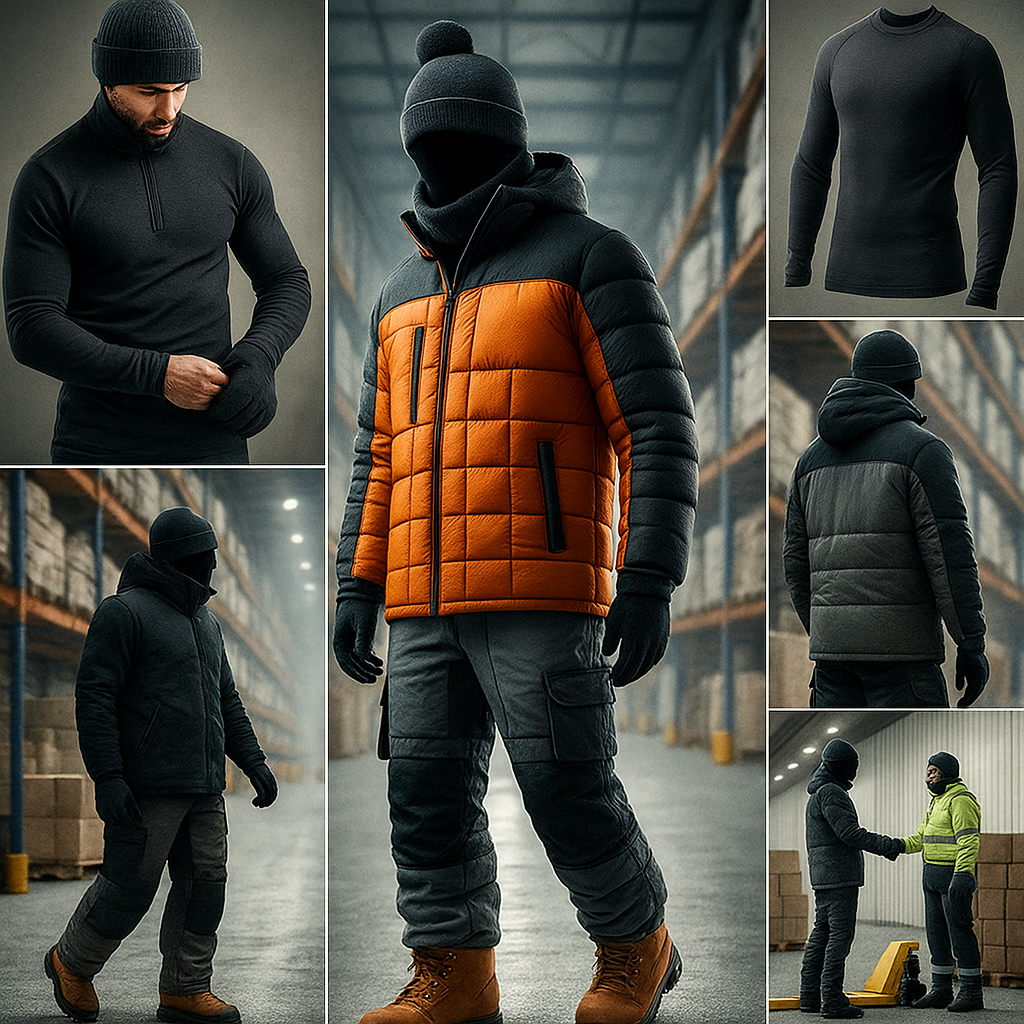
Why Layering with Thermal Base Layers Is Essential for Winter Workwear: Stay Warm Without Bulk 2025 Guide
Introduction: Layering vs. Heavy Outerwear – What’s Better for Winter Work?
When working in freezing temperatures, especially in construction, logistics, or road maintenance, staying warm is non-negotiable. But bulky outerwear can restrict movement, reduce efficiency, and compromise safety. That’s where thermal base layers come in. They form the foundation of an effective winter workwear system by providing insulation, moisture management, and flexibility.
In this 2025 guide, we explain why layering with thermal underwear is a smarter, safer solution than relying on thick, heavy jackets alone. Discover how to choose the right thermal layers, what materials work best, and which products from Optimum BHP will keep you warm without slowing you down.
Check out our full range of winter workwear, thermal gloves, insulated work trousers, and winter safety shoes to build your complete kit. For additional advice, visit our FAQ on winter PPE and blog.
Don’t miss our latest blog entries::
Comparison of Ardon Fleece Workwear Jackets: H9424 Polar Blue, 4Tech H9314, and H2200 Polar Anthracite – Comfort and Versatility for Winter 2025
Polstar G-Drive Winter, Delta Plus FBF15 Winter & CXS Canis Furny Winter – Comparing Insulated Leather Gloves for Winter 2025
Insulated Safety Boots for Winter 2025 – Comparing Ardon Firwin G3131 S3, Procera Narvik S3, and VM Footwear Wellington S3
Insulated Safety Boots for Winter 2025 – Comparing Procera Narvik S3, VM Footwear Wellington S3, and Ardon Firwin G3131 S3
Comparison of Ardon Winter Insulated Pants: Vision H9149, Vision H9949 and Neon H6471 – Warmth, Safety and Durability for Cold Environments
Comparison of Ardon Fleece Work Jackets: H9424 Polar Blue, 4Tech H9314, and H2200 Polar Anthracite – Reliable Warmth for 2025
⸻
The Science Behind Thermal Layering: Why It Works
Thermal layering traps body heat close to the skin while allowing moisture to escape. A high-quality thermal base layer made of synthetic fibers or merino wool wicks sweat away, preventing chills and hypothermia. It also reduces the need for excessive outerwear.
Layering creates microclimates between each clothing layer, improving insulation and temperature regulation. This flexibility is crucial in dynamic work environments where physical exertion and exposure levels fluctuate.
⸻
Base Layer + Mid Layer + Shell: The 3-Layer System Explained
1. Base Layer: Directly against the skin, this layer should wick moisture and trap warmth. Choose tight-fitting thermal shirts and leggings from our thermal underwear collection.
2. Mid Layer: Adds insulation. Fleece, insulated work jackets, or quilted vests are great options.
3. Outer Layer (Shell): Protects against wind, rain, and snow. Look for waterproof jackets that are breathable and durable.
This modular system allows workers to adapt their clothing to changing conditions throughout the day.
⸻
Thermal Base Layers: Key Features to Look For
• Moisture-wicking materials (e.g., polyester, polypropylene, merino wool)
• Stretch fabrics for unrestricted movement
• Flat seams to prevent chafing during long shifts
• Quick-dry performance for multi-day use
• Thermal rating suited for sub-zero conditions
At Optimum BHP, we offer performance-tested thermal layers ideal for industrial and outdoor winter work.
⸻
Benefits of Layering for Construction and Industrial Workers
• Improved mobility: Lighter layers prevent stiffness on scaffolding or rooftops
• Safer operations: Workers can remove layers if they overheat, avoiding fatigue
• Better cost-efficiency: Layered systems reduce wear on expensive outerwear
• Enhanced protection: You can combine fire-resistant base layers with hi-vis or waterproof shells for full compliance
Whether you’re climbing ladders or operating machinery, layering offers performance without compromise.
⸻
Top Product Picks: Build Your Base Layer System
• Flame-Resistant Thermal Shirt – ESD Certified: For high-risk environments
• Insulated Winter Trousers: Combine with long johns for full leg warmth
• Hi-vis Waterproof Jackets: Ideal for road and utility workers
• Insulated Gloves: Grip and warmth in snow and ice
• Thermal Safety Shoes: Keep your feet dry and warm on frozen ground
Each layer complements the other for complete cold-weather protection.
⸻
Why Base Layers Are Essential for Workplace Compliance
Many industries now require specific PPE standards for winter. Layering helps meet:
• EN 342 (protection against cold)
• EN ISO 11612 (for flame-retardant base layers)
• EN 343 (for waterproof outer shells)
Wearing the right base layers can help companies remain compliant and reduce liability in cold environments.
Optimizing Your Winter Workwear with Fire-Resistant Thermal Base Layers
In hazardous winter work environments such as welding sites, refineries, or areas with electrical risks, thermal protection must go hand in hand with flame resistance. That’s why flame-resistant base layers are essential. These garments combine thermal insulation with anti-static and non-flammable properties, making them perfect for electricians, metalworkers, or chemical plant employees. At Optimum BHP, we offer ESD-certified thermal shirts and underwear that meet both thermal comfortand safety regulations, ensuring protection without compromising performance.
⸻
How to Combine Thermal Layers with Winter Work Jackets for Maximum Comfort
While thermal base layers are the first line of defense against the cold, pairing them with a high-performance insulated winter work jacket ensures full-body warmth. Brands like Portwest, CXS Canis, and Ardon offer jackets that complement base layers by offering breathable membranes and windproof insulation. Workers can easily adjust to sudden weather changes without overheating by shedding outer layers while still retaining core warmth through their base clothing. This strategy minimizes sweat build-up and maximizes comfort and productivity in temperatures well below freezing.
⸻
Complete Your Winter PPE Kit with Waterproof Workwear and Accessories
Thermal layering should not be limited to the torso. Waterproof insulated trousers, gloves, and thermal safety shoes are essential to avoid cold-related injuries, frostbite, or reduced dexterity. Waterproof materials such as oxford polyester or breathable softshell are ideal for combining thermal protection with weather resistance. At Optimum BHP, you’ll find layered solutions for every part of your body, ensuring full PPE coverage even in the harshest climates.
⸻
Don’t Forget the Head and Hands: Layering for Critical Extremities
Even with a top-notch base layer system, failing to protect your head and hands can lead to significant heat loss. Use insulated gloves with waterproof membranes, such as Delta Plus Freeze Flex or Art.Mas Arctic Grip Pro, which work perfectly with base layer sleeves to ensure no skin exposure. For head protection, combine thermal balaclavas with protective helmets. This integrated approach maintains safety standards while maximizing insulation – a key tactic for utility workers and roofers operating at height in winter.
⸻
Discover More on Our Blog: Expert Advice on Winter PPE Layering
If you’re unsure how to combine thermal layers with outer protective gear, the Optimum BHP blog provides expert insights, product comparisons, and step-by-step guides tailored for industry professionals. From layering guides to best thermal gloves and certified safety standards, our blog helps you stay informed and compliant. You can also explore our comprehensive Winter PPE FAQ to understand which layers suit your sector’s specific demands.
⸻
Final Thoughts: Why Layering with Thermal Base Layers Is Essential for Winter Workwear: Stay Warm Without Bulk 2025 Guide
Wearing heavy jackets alone is no longer enough for demanding outdoor work. Layering with thermal base layers is the modern, effective approach to staying warm, mobile, and safe.
Explore our curated selection of winter PPE essentials at Optimum BHP, and gear up for the harshest days of 2025 without sacrificing comfort or protection.