
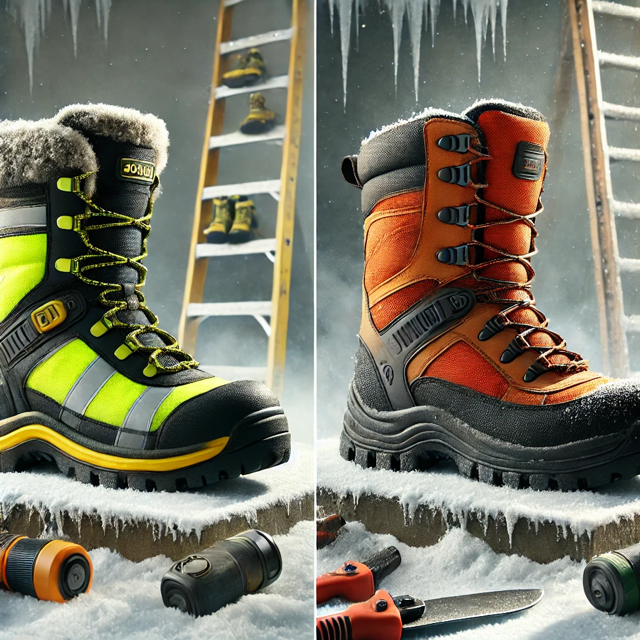
Insulated Construction Footwear: Keeping Builders Warm and Safe in Winter 2025
Winter brings unique challenges to construction sites — frozen ground, moisture, and long hours in subzero temperatures. That’s why insulated construction footwear has become an essential part of every builder’s PPE in 2025. At Optimum BHP, leading brands such as Portwest, Procera, and Delta Plus provide certified S3 safety boots that combine thermal protection, waterproofing, and all-day comfort. These models are designed for construction professionals who can’t afford to slow down — no matter the weather.
Don’t miss our latest blog entries:
Cheap Sweatshirts 2025: Everyday Comfort and Warmth for Professional Use
Posejdon vs Piorun: Comparing Two Anti-Static and Insulated Sara Workwear Sets for Electrical Maintenance Teams in Winter
Cheap Work Trousers with Reinforced Knees 2025: Extra Protection for Every Trade
Procera Insulated Workwear for Utility Workers (Gas, Water, Sewage) in Winter Conditions
Lightweight vs. Heavy-Duty Safety Boots: Which Is Better for Your Job?
Reis Reflective Workwear: Visibility and Safety for Transport and Road Teams in 2025
⸻
Why Insulated Footwear Is Essential for Builders
Cold weather affects both comfort and safety. Low temperatures reduce blood circulation, increase fatigue, and raise the risk of frostbite. Portwest solves these issues with Thinsulate™ linings that maintain heat while staying breathable. Procera and Delta Plus integrate fleece insulation and waterproof membranes that block cold air and moisture. These innovations protect workers from the elements, ensuring focus, mobility, and steady performance throughout long winter shifts.
⸻
Technical Features That Make a Difference
Insulated construction boots are built with multiple protection layers. Base Protection and Uvex models include composite toe caps and puncture-resistant midsoles for maximum durability. Delta Plus adds SRC anti-slip soles that maintain grip on ice and snow. CXS Canis uses reinforced leather with hydrophobic coatings to prevent water absorption. Each component — from lining to outsole — is optimized for real-world site conditions, combining thermal insulation with certified impact resistance.
⸻
Comfort and Ergonomics on the Construction Site
Comfort equals safety. Fatigue from heavy footwear increases accident risk, which is why modern insulated safety boots prioritize ergonomic design. Base Protection and Uvex feature energy-return midsoles that reduce strain on knees and spine. Procera enhances comfort with cushioned collars and breathable insoles. The result: better posture, higher productivity, and consistent comfort during long hours of standing, lifting, and moving across uneven terrain.
⸻
Durability and Long-Term Performance
Winter construction work is demanding — footwear must endure constant moisture, mud, and mechanical stress. Delta Plus and Portwest models use abrasion-resistant rubber soles that remain flexible even at –20°C. Procera applies double stitching and reinforced uppers to extend lifespan. Proper maintenance — cleaning, drying, and periodic waterproofing — ensures long-lasting protection. For builders, durable insulated footwear isn’t just a necessity; it’s an investment in safety, comfort, and performance.
⸻
Sustainability and Modern PPE Standards
The 2025 generation of insulated work boots balances safety and sustainability. Cofra and Lemaitre manufacture eco-friendly S3 winter footwear using recycled linings and renewable materials. Base Protection pioneers biodegradable soles and low-emission adhesives. All models available at Optimum BHP comply with EN ISO 20345 standards, ensuring not just personal protection but also environmental responsibility.
⸻
FAQ – Insulated Construction Footwear
1. Why do construction workers need insulated boots?
To protect from cold, moisture, and frostbite during winter conditions.
2. Which brands offer top insulated construction models?
Portwest, Procera, and Delta Plus.
3. What temperature can these boots handle?
Most protect down to –10°C, some even lower.
4. Are insulated boots waterproof?
Yes — they include sealed seams and hydrophobic coatings.
5. Are insulated safety shoes heavy?
No — composite materials make them light and flexible.
6. Do they have anti-slip soles?
Yes — SRC-certified soles prevent slipping on icy surfaces.
7. Can I use them indoors?
Yes — breathable insulation prevents overheating.
8. Are these boots suitable for electricians?
Yes — non-metallic versions from Uvex are ESD-safe.
9. Do insulated boots protect from punctures?
Yes — all S3 models include puncture-resistant midsoles.
10. How should I maintain insulated boots?
Clean regularly, dry naturally, and apply waterproof spray monthly.
11. Are eco-friendly insulated models available?
Yes — Cofra and Base Protection lead in sustainable design.
12. How long do insulated construction boots last?
18–30 months, depending on wear intensity and conditions.
13. Do they provide ankle support?
Yes — reinforced collars improve stability and reduce sprain risk.
14. Are insulated boots breathable?
Yes — membranes allow vapor release while keeping water out.
15. Where can I buy certified insulated construction footwear?
At Optimum BHP — Europe’s reliable source for professional winter workwear and PPE.