
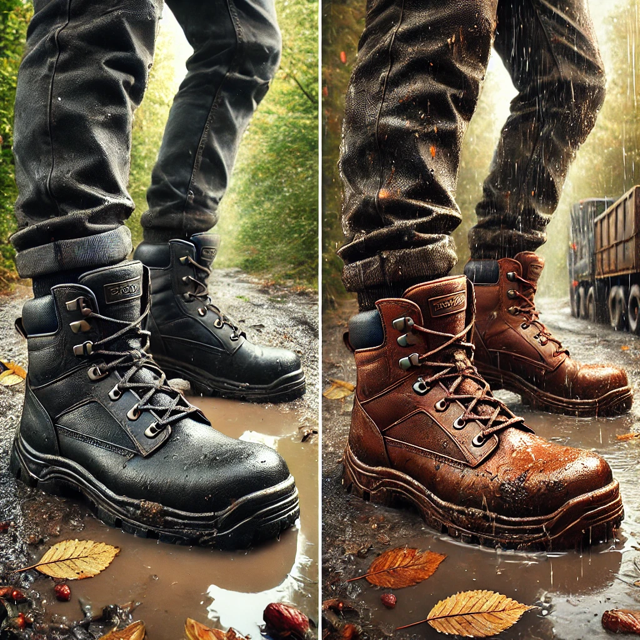
Introduction: Why S3 Safety Boots Matter in Logistics
When working in logistics and warehouse operations, having the right safety footwear is essential for comfort, productivity, and injury prevention. S3 safety boots are specifically designed to withstand harsh working conditions while offering superior protection. In this article, we explore top considerations when choosing S3 boots and link to trusted options available at Optimum BHP. You’ll find insights into workplace risks, required standards, and the most popular S3 work shoes tailored to logistics professionals. Whether you manage a warehouse or work on the floor, proper footwear can make all the difference. Visit our blog and FAQ for more expert tips. Let’s take a closer look at how to make the best decision in 2025. S3 boots aren’t just about protection—they impact daily performance. Improper footwear increases injury risk and fatigue. Choosing the right pair helps retain energy and supports safe movement. With growing demand for efficient and safe logistics, S3 boots are more important than ever.
More great content awaits on our blog:
Flame-Resistant vs. Flame-Retardant Workwear: What’s the Difference and Which Should You Choose for Winter 2025?
Why Layering with Thermal Base Layers Is Essential for Winter Workwear: Stay Warm Without Bulk 2025 Guide
Comparing Portwest Work Shorts: PW340, PW348, and DX444
Insulated Safety Boots for Winter 2025 – Comparing Ardon Firwin G3131 S3, Procera Narvik S3, and VM Footwear Wellington S3
Insulated Safety Boots for Winter 2025 – Comparing Procera Narvik S3, VM Footwear Wellington S3, and Ardon Firwin G3131 S3
Do Flame-Resistant and Waterproof Work Jackets Compromise Comfort? A 2025 Comparison for Harsh Autumn Jobs
________
Understanding the S3 Safety Classification
The S3 classification ensures a high level of foot protection, making these boots ideal for dynamic logistics environments. S3 safety boots include a safety toe cap, penetration-resistant midsole, and water-resistant uppers. These features help safeguard against impacts, sharp objects, and moisture — all common hazards in warehouses and shipping centers. In addition, S3 shoes must pass rigorous EN ISO 20345:2011 standards. Whether handling inventory, operating forklifts, or walking between zones, these boots provide all-day defense and support. Workers who wear S3 safety footwear benefit from better stability and long-term foot health. They also reduce workplace accidents, improving team morale and productivity. Some logistics centers require S3 classification as a minimum safety standard. Understanding this level helps ensure compliance and personal safety. Make sure to verify certification when buying new work boots.
Key Features to Look For
When selecting S3 safety boots, focus on materials, weight, flexibility, and outsole performance. Breathable linings help maintain foot hygiene and comfort during long shifts. Composite or metal-free toe caps are lighter yet still offer impact protection. Oil- and slip-resistant soles improve safety on warehouse floors and loading docks. Some models, like the Base Protection Chester S3, add ESD properties and energy absorption heels. Check for ergonomic designs that reduce fatigue during constant motion. Reflective elements can also boost visibility in low-light areas. Antistatic and puncture-resistant features further increase protection. Reinforced heel zones and arch supports contribute to balance. Lightweight construction without sacrificing durability is ideal. Look for boots designed for constant mobility across varied surfaces.
Durability for Demanding Environments
Warehouse workers face daily wear and tear, so durability is critical. Look for abrasion-resistant uppers and rugged outsoles built for continuous use. safety boots Chester S3 and boots Revolution 2 S3 are examples of models known for lasting performance. Choose boots with reinforced heels and toe protection to extend product lifespan. Investing in durable boots reduces replacement frequency and saves money over time. For heavy-duty logistics tasks, S3 boots with reinforced seams and double stitching offer added endurance. Consider options with scuff caps and water-repellent coatings. Check for brands that test their boots in extreme environments. Long-lasting materials provide consistent support without performance loss. Durability directly influences productivity and comfort.
Comfort Matters During Long Shifts
Logistics and warehouse staff often work 10- to 12-hour shifts on hard surfaces. Comfort is essential to avoid fatigue and musculoskeletal issues. Seek boots with shock-absorbing soles, anatomical insoles, and padded collars. safety shoes S3 ESD Ardon Creatron offer lightweight materials and ergonomic fits. Proper ventilation also prevents overheating during high activity. If possible, try on multiple pairs and compare heel support and toe box space. Brands like Solid Gear, Base Protection, and Ardon are renowned for blending safety with comfort. Good foot support reduces strain on knees and back. Padded ankle zones increase stability during movement. Choose models that balance cushioning and structural strength.
Choosing the Right Size and Fit
Improperly sized footwear can lead to blisters, pressure points, and reduced circulation. Measure both feet and allow space for arch support or thermal socks. Many S3 work boots come in EU and UK sizing with wide or narrow options. Review manufacturer sizing charts carefully, especially when ordering online. If you work on uneven terrain or climb stairs frequently, snug heel fit and toe mobility are crucial. Adjustable lacing or BOA systems enhance customization for all-day wear. The California S3 BOA ESD VM Footwear is a top choice for adjustable fit in logistics settings. Proper fit helps prevent foot fatigue and improves posture. Try on boots with work socks to assess fit. Consult customer reviews for sizing insights. Avoid overly tight models that restrict movement or cause friction.
Metal-Free Options for Specific Jobs
Metal-free S3 work shoes are essential for industries where metal detectors are used or where non-conductivity is a safety requirement. These shoes are made using composite toe caps and non-metallic midsoles, ensuring that workers can move through secure areas without triggering alarms. Professions such as airport security, electrical maintenance, and pharmaceutical production benefit significantly from metal-free footwear. These shoes are often lighter than their steel-toe counterparts, improving comfort over long shifts. Many metal-free S3 safety shoes feature anti-static soles, slip resistance, and energy absorption in the heel. Models such as the VM Footwear California S3 or Base Protection Chester S3 are ideal for such conditions. Additionally, workers handling electronic components or flammable substances rely on these shoes to reduce the risk of static discharge. The use of advanced composite materials means there’s no compromise on strength or impact resistance. Many metal-free options also meet ESD (Electrostatic Discharge) standards, enhancing their suitability for sensitive environments. In many EU countries, regulations increasingly recommend or require metal-free PPE in such industries. Choosing high-quality metal-free S3 work shoes is a critical decision for both compliance and employee safety.
Insulated S3 Footwear for Winter Conditions
Insulated S3 safety footwear is crucial for workers exposed to cold weather, snow, and ice during winter tasks. These shoes typically feature a thermal lining, water-resistant uppers, and slip-resistant soles to maintain traction on icy surfaces. Industries such as construction, warehousing, and logistics benefit from shoes that provide warmth without sacrificing safety features. The Portwest FD33 fur-lined bootsoffer EN ISO 20345 S3 protection and are specifically designed for extreme winter work environments. Likewise, CXS Canis insulated safety boots ensure excellent thermal insulation and durability. Footwear with heat-insulating midsoles and padded collars enhance overall comfort and performance in cold climates. For workers in cold storage or freezer logistics, ESD-rated and water-repellent boots are especially valuable. Proper insulation in S3 footwear helps prevent conditions like frostbite and promotes productivity during extended outdoor tasks. Many options also include reinforced toe protection and puncture-resistant midsoles to meet EU safety standards. A well-chosen pair of insulated S3 safety shoes can greatly improve morale and safety in winter operations. Investing in footwear with advanced thermal technology is not only a comfort solution but a necessity in harsh weather. Ensure workers are equipped with certified insulated models before winter starts.
Final Thoughts: Introduction: Why S3 Safety Boots Matter in Logistics
Choosing the right pair of S3 work shoes depends on job-specific needs, environmental conditions, and required certifications. With a vast selection available—from metal-free and ESD-compliant to insulated and waterproof options—employers can ensure optimal safety and comfort for their teams. Models from brands like Portwest, Ardon, CXS Canis, VM Footwear, and Base Protection offer trusted solutions for various sectors. Make sure to explore the entire S3 category to find shoes with the exact features your workplace demands. Are you looking for breathable options for summer or insulated boots for winter? Do you need ESD-certified or metal-free shoes for sensitive environments? What is your preferred closure system—laces, Velcro, or BOA? Would composite or fiberglass toe caps serve your team better? Are slip-resistant soles a must-have in your industry? Don’t hesitate to explore our FAQ or contact us directly, and we’ll help you match the best footwear to your operational context. The right pair of shoes improves safety, productivity, and long-term satisfaction. Make an informed choice for 2025—shop smarter with Optimum BHP.